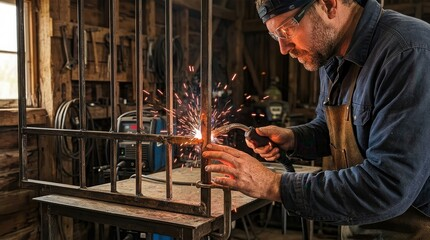
Architecture is not only about walls, roofs, and structural foundations. Smaller details can play an equally important role in shaping how a building looks, feels, and functions. Architectural Metal Works brings strength, craftsmanship, and visual character into spaces through carefully designed metal elements. From decorative railings and staircases to gates, screens, frames, and structural features, metal can serve both practical and artistic purposes. When thoughtfully incorporated into a project, architectural metalwork can turn an ordinary feature into a distinctive part of the overall design.
Metal is especially valuable because it can be fabricated into many shapes, sizes, and patterns. It can provide a sleek, contemporary appearance or support more traditional, decorative architectural styles. Different metals and finishes can also create unique textures and visual effects. Beyond appearance, properly designed metalwork can provide strength and long-term functionality. Understanding the different applications and benefits of architectural metalwork can help property owners, designers, and builders make better choices for their projects.
What Is Architectural Metalwork?
Architectural metalwork refers to metal elements that are designed, fabricated, and installed as part of a building or architectural environment. These elements may serve structural, functional, decorative, or protective purposes. Common examples include metal staircases, railings, balconies, gates, screens, doors, canopies, and decorative panels. Unlike ordinary metal components that may be selected primarily for utility, architectural metalwork often considers both performance and appearance. This allows metal features to become an integrated part of the architectural design.
The fabrication process can involve cutting, bending, welding, shaping, grinding, and finishing metal according to a specific design. Each stage can affect the appearance and performance of the finished product. Custom fabrication allows metalwork to be created according to exact dimensions and project requirements. This is particularly useful when standard products cannot achieve the desired shape or fit. The result can be a metal feature that works properly while also contributing to the visual identity of the structure.
What Are the Common Types of Architectural Metalwork?
Metal railings and balustrades are among the most recognizable forms of architectural metalwork. They can be installed along staircases, balconies, walkways, platforms, and other areas where support and protection are needed. Designs can range from simple straight bars to elaborate decorative patterns. Railings can also be combined with materials such as glass or wood to create different visual effects. Because they serve both safety and aesthetic purposes, railings require careful attention to design, dimensions, and installation.
Metal staircases and structural elements are another important application. Steel can provide the strength needed for stairs while allowing designers to create open and visually interesting configurations. Metal stairs can be constructed in straight, curved, spiral, or other customized arrangements depending on the available space. Canopies, frames, screens, and metal partitions can also be fabricated to provide additional architectural functions. These applications demonstrate how metalwork can be used throughout a structure rather than being limited to decorative accents.
Why Is Metal a Popular Material for Architectural Design?
Strength is one of the main reasons metal is widely used in architectural applications. Properly selected and fabricated metal can support significant loads while maintaining structural stability. This makes it suitable for features that experience frequent use or require dependable support. Steel, in particular, is valued for its high strength and durability. When engineering, fabrication, and installation are properly handled, metal architectural elements can provide reliable long-term performance.
Metal also offers considerable design flexibility. It can be shaped into precise geometric forms, smooth curves, intricate patterns, and customized components. This makes it possible to create designs that would be difficult to achieve with some other materials. Metal can also be finished in different ways to achieve a particular texture, color, or appearance. As a result, architects and designers can use metal to create features that are both structurally useful and visually distinctive.
How Does Architectural Metalwork Improve Building Appearance?
Architectural metalwork can add definition and visual interest to a building. A well-designed railing can frame a staircase, while a decorative screen can create texture and depth across an otherwise plain surface. Metal panels can also introduce geometric patterns or artistic details into an interior or exterior space. These elements can become focal points without overwhelming the surrounding architecture. The right combination of scale, shape, and finish can make metalwork feel like a natural part of the design.
Finishes are also important when using metal for architectural purposes. Powder coating, painting, polishing, brushing, and other treatments can significantly change the appearance of a metal component. A dark matte finish can create a contemporary industrial effect, while polished surfaces can provide a brighter and more refined appearance. Textured finishes can add visual depth while also helping conceal minor marks from regular use. Selecting the appropriate finish can help connect metal features with other architectural materials and design elements.
What Are the Benefits of Custom Architectural Metalwork?
Custom fabrication allows architectural metalwork to be designed around the exact needs of a project. Measurements, shapes, patterns, thicknesses, and connection points can all be considered during the design process. This flexibility is especially valuable when a space has unusual dimensions or when a specific architectural concept needs to be achieved. Custom metalwork can also accommodate unique functional requirements that standard components may not address. By creating the metalwork specifically for the project, designers can achieve a more precise and cohesive result.
Customization can also improve the relationship between different architectural features. A staircase, railing, gate, screen, and other metal elements can be designed with complementary patterns and finishes. This creates visual consistency throughout the space. Custom designs can also incorporate branding-inspired geometric patterns or artistic concepts without relying on mass-produced components. The result can be a more personalized environment that reflects the intended architectural character. Careful coordination between design and fabrication is important to ensure that customized elements remain practical as well as attractive.
How Does Architectural Metalwork Support Safety and Functionality?
Safety is an important consideration when architectural metalwork is used for stairs, balconies, walkways, platforms, and other areas. Railings and guardrails can provide physical support and help reduce the risk of falls. Stair components must also be designed to provide stable footing and appropriate structural support. Metalwork should be fabricated and installed according to applicable building requirements and safety standards. Proper planning ensures that aesthetic considerations do not compromise essential safety functions.
Functionality extends beyond structural strength. Doors, gates, screens, canopies, and other metal elements must operate or perform their intended functions reliably. Hinges, fasteners, connections, and moving components should be appropriately selected for the expected use. The design should also consider how people interact with the finished feature. A railing should be comfortable to use, a gate should operate smoothly, and a metal screen should provide the intended level of visibility or privacy. Good architectural metalwork combines appearance with practical performance.
What Maintenance Does Architectural Metalwork Require?
Proper maintenance can help preserve both the appearance and performance of architectural metalwork. Regular cleaning can remove dirt, dust, moisture, and other substances that may accumulate on exposed surfaces. Inspections can also help identify scratches, corrosion, loose connections, or damaged finishes at an early stage. Addressing minor problems promptly can help prevent more serious deterioration. Maintenance requirements will vary depending on the metal type, finish, location, exposure, and amount of use.
Protective coatings can play an important role in extending the service life of metalwork. If a finish becomes damaged, the affected area may need to be repaired or refinished to restore protection. Moving components such as hinges, rollers, and mechanical connections may require additional attention. Regular inspection is especially important for architectural elements that contribute directly to safety. A consistent maintenance approach can help keep metalwork looking attractive while supporting reliable performance for many years.
What Should You Consider When Planning Architectural Metalwork?
The first consideration should be the purpose of the metal feature. Designers should determine whether the element is primarily structural, decorative, protective, or intended to serve several functions at once. The surrounding architecture, available space, expected usage, and environmental conditions should also be evaluated. Material selection should be based on strength requirements, appearance, corrosion resistance, maintenance expectations, and budget. These considerations can help establish a practical foundation for the project.
The design should also be coordinated with the rest of the building before fabrication begins. Accurate measurements and detailed drawings can reduce installation problems and help ensure that components fit correctly. Connections and support points should be considered early rather than being addressed after fabrication. The desired finish should also be selected based on both appearance and environmental exposure. By carefully coordinating design, material selection, fabrication, finishing, and installation, architectural metalwork can achieve a high-quality result that meets both functional and aesthetic goals.
Final Thoughts
Architectural metalwork combines craftsmanship, structural performance, and design flexibility to create features that can significantly enhance a building. Railings, staircases, gates, screens, frames, canopies, and decorative elements can all be fabricated from metal according to specific project requirements. Its strength allows metal to serve demanding functional purposes, while its versatility provides countless opportunities for creative design. Custom fabrication can further improve the fit, appearance, and functionality of individual architectural elements. With proper planning and installation, metalwork can become a durable and attractive part of a building for many years.
The most successful architectural metalwork projects consider appearance and performance together. Material selection, design, fabrication, finishing, installation, and maintenance all contribute to the final outcome. Whether the goal is to create a bold focal point or a subtle architectural detail, metal offers the flexibility needed to achieve a wide range of results. Thoughtful design can ensure that each feature complements the surrounding space while serving its intended purpose. Architectural metalwork therefore remains a valuable choice for creating durable, functional, and visually engaging environments.