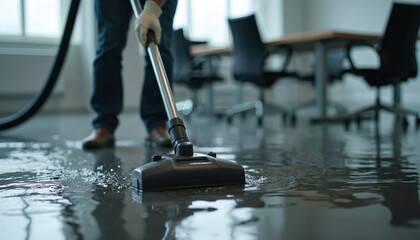
It only takes a small amount of unwanted water to create a much larger problem inside a home. A leaking pipe hidden behind a wall, an overflowing washing machine, or heavy rain entering through a damaged roof can quickly affect floors, walls, ceilings, and personal belongings. Many homeowners focus on removing the visible water, believing the problem has been solved once surfaces appear dry.
In reality, water often spreads into places that cannot easily be seen, allowing damage to continue long after the initial incident. Understanding what Water Damage Cleanup Salt Lake City involves helps homeowners respond quickly, reduce long-term damage, and protect their property from unnecessary repairs.
What Is Water Damage Cleanup?
Water damage cleanup is the process of removing unwanted water, drying affected areas, cleaning contaminated surfaces when necessary, and preparing the property for restoration or repairs. The goal is to stop additional damage while returning the home to a safe and stable condition as efficiently as possible. Cleanup begins as soon as the water source has been controlled because delaying the process allows moisture to spread further into structural materials. Every situation is unique, so the cleanup approach depends on the amount of water involved, how long it has been present, and which parts of the home have been affected.
Many people confuse water damage cleanup with complete restoration, but they are not exactly the same. Cleanup focuses on removing water and limiting further damage, while restoration may include repairing or replacing damaged materials after the property has been thoroughly dried. Even so, effective cleanup forms the foundation of every successful restoration project. Removing water quickly and drying the structure properly greatly improves the chances of preserving existing building materials. A prompt and organized cleanup process often reduces both repair costs and recovery time.
What Commonly Causes Water Damage?
Water damage can occur unexpectedly from many different sources inside and outside the home. Plumbing failures remain one of the most common causes, including burst pipes, leaking supply lines, overflowing toilets, damaged water heaters, and faulty appliance connections. Even a slow leak hidden beneath a sink or behind a wall can gradually affect surrounding materials before becoming visible. Because these problems often remain unnoticed for extended periods, homeowners may discover significant damage before realizing a leak exists. Regular inspections help reduce the likelihood of these situations developing unnoticed.
Weather can also contribute to water damage under certain conditions. Heavy rainfall, roof leaks, clogged gutters, poor drainage around the home’s foundation, and severe storms may all allow unwanted water to enter the structure. Basements and crawl spaces are especially vulnerable when exterior drainage is inadequate. Condensation from heating and cooling systems may also contribute to moisture problems if left unresolved. Understanding these common causes allows homeowners to take preventive measures that reduce future cleanup needs.
Why Is Fast Water Damage Cleanup So Important?
The sooner cleanup begins, the better the chances of minimizing damage throughout the home. Water spreads rapidly through porous materials such as drywall, insulation, carpeting, wood flooring, and cabinetry. As these materials absorb moisture, they may begin swelling, weakening, or losing their structural stability. Delaying cleanup gives water additional time to penetrate deeper into the building, making recovery more complicated and increasing repair costs. Immediate action often preserves materials that might otherwise require replacement.
Quick cleanup also limits the spread of moisture into hidden spaces. Water frequently travels beneath flooring, inside wall cavities, and above ceilings before visible signs appear elsewhere in the home. Although surfaces may seem dry after standing water has been removed, trapped moisture may remain inside structural components. Thorough drying becomes much easier when cleanup begins promptly after the water intrusion occurs. Responding quickly improves both the efficiency of the cleanup process and the long-term condition of the property.
What Happens During the Water Damage Cleanup Process?
The first step in water damage cleanup is identifying and stopping the source of the water whenever it is safe to do so. Once additional water is no longer entering the property, the affected areas are evaluated to determine the extent of the damage. Standing water is removed from floors and other surfaces before attention shifts toward identifying moisture hidden inside building materials. A careful inspection helps determine which areas require additional drying or cleaning. Understanding the full scope of the damage guides the remainder of the cleanup process.
After visible water has been removed, drying becomes the primary focus. Air circulation and moisture reduction help remove water trapped within walls, floors, ceilings, and other structural materials. Throughout this stage, affected areas are monitored to ensure moisture levels continue decreasing before repairs begin. Cleaning may also be performed to remove dirt, debris, or contaminants introduced by the water. Preparing the home properly during cleanup creates a stable environment for any restoration work that may follow.
How Can Homeowners Protect Their Property During Cleanup?
Safety should always remain the highest priority when responding to water damage. Homeowners should avoid entering areas where standing water may present electrical hazards or where structural damage is suspected. If the source of the water involves plumbing, shutting off the water supply can help prevent additional flooding. Personal belongings should be moved away from wet areas whenever possible to reduce further damage. Taking these initial precautions helps protect both the occupants and the property while cleanup begins.
Documenting the damage is also an important part of the cleanup process. Photographs of affected rooms, damaged materials, and personal belongings create a useful record before cleanup changes the appearance of the property. Homeowners should also monitor surrounding areas for signs that water has spread beyond the obvious damage. Stains, discoloration, soft flooring, warped trim, or unusual odors may indicate hidden moisture requiring further attention. Careful observation supports more complete cleanup and restoration.
How Can Homeowners Prevent Future Water Damage?
Preventing water damage begins with consistent home maintenance throughout the year. Plumbing fixtures, supply lines, water heaters, and household appliances should be inspected regularly for signs of wear or leakage. Replacing aging hoses and repairing small plumbing issues promptly often prevents larger emergencies later. Homeowners should also pay attention to subtle warning signs such as water stains, peeling paint, or musty odors because these may indicate hidden moisture. Routine maintenance greatly reduces the likelihood of unexpected cleanup projects.
Exterior maintenance is equally important for protecting the home. Gutters should remain clear so rainwater flows away from the roof properly, and downspouts should direct water away from the foundation. Roof coverings, flashing, windows, and exterior seals should be inspected periodically for damage that could allow water intrusion. Landscaping should encourage proper drainage around the home instead of allowing water to collect near the foundation. These preventive measures help reduce the risk of future water damage while preserving the home’s structural integrity.
Why Is Professional Water Damage Cleanup Often Beneficial?
Although homeowners may be able to manage very minor water incidents, larger situations often require a more comprehensive approach. Water frequently reaches areas that cannot be evaluated through visual inspection alone, making hidden moisture difficult to identify without specialized knowledge. Professional cleanup focuses on locating moisture throughout the structure while ensuring affected materials are dried as thoroughly as possible. This detailed approach reduces the likelihood of ongoing deterioration after the visible water has been removed. Comprehensive cleanup helps protect the long-term condition of the home.
Professional cleanup also provides homeowners with a clearer understanding of the property’s overall condition after a water event. Careful assessments help determine which materials can be preserved and which may require repair or replacement. Monitoring moisture levels throughout the drying process improves confidence that cleanup has been completed successfully. Instead of focusing only on immediate water removal, professional cleanup emphasizes complete recovery and long-term property protection. This thorough process often leads to better overall results and greater peace of mind.
Final Thoughts
Water damage cleanup is much more than removing standing water from a home. It is a structured process that focuses on stopping additional water intrusion, removing excess moisture, thoroughly drying affected materials, cleaning damaged areas, and preparing the property for successful restoration. Acting quickly after discovering water damage significantly improves the chances of protecting structural materials while reducing repair costs and recovery time. Routine home maintenance and early attention to leaks also help prevent many water emergencies before they become serious. By understanding how water damage cleanup works and responding promptly when problems arise, homeowners can protect their property, preserve their investment, and maintain a safer and more comfortable living environment.